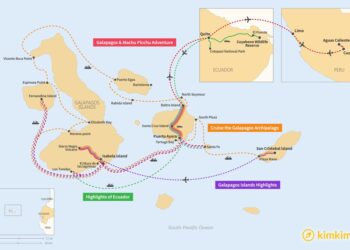

When it comes to vacation planning, the debate between digital and paper travel brochures is ongoing. This comparison dives into the characteristics, accessibility, interactivity, and environmental impact of both mediums, aiming to determine which offers a superior experience for travelers.
Digital vs. Paper Travel Brochures
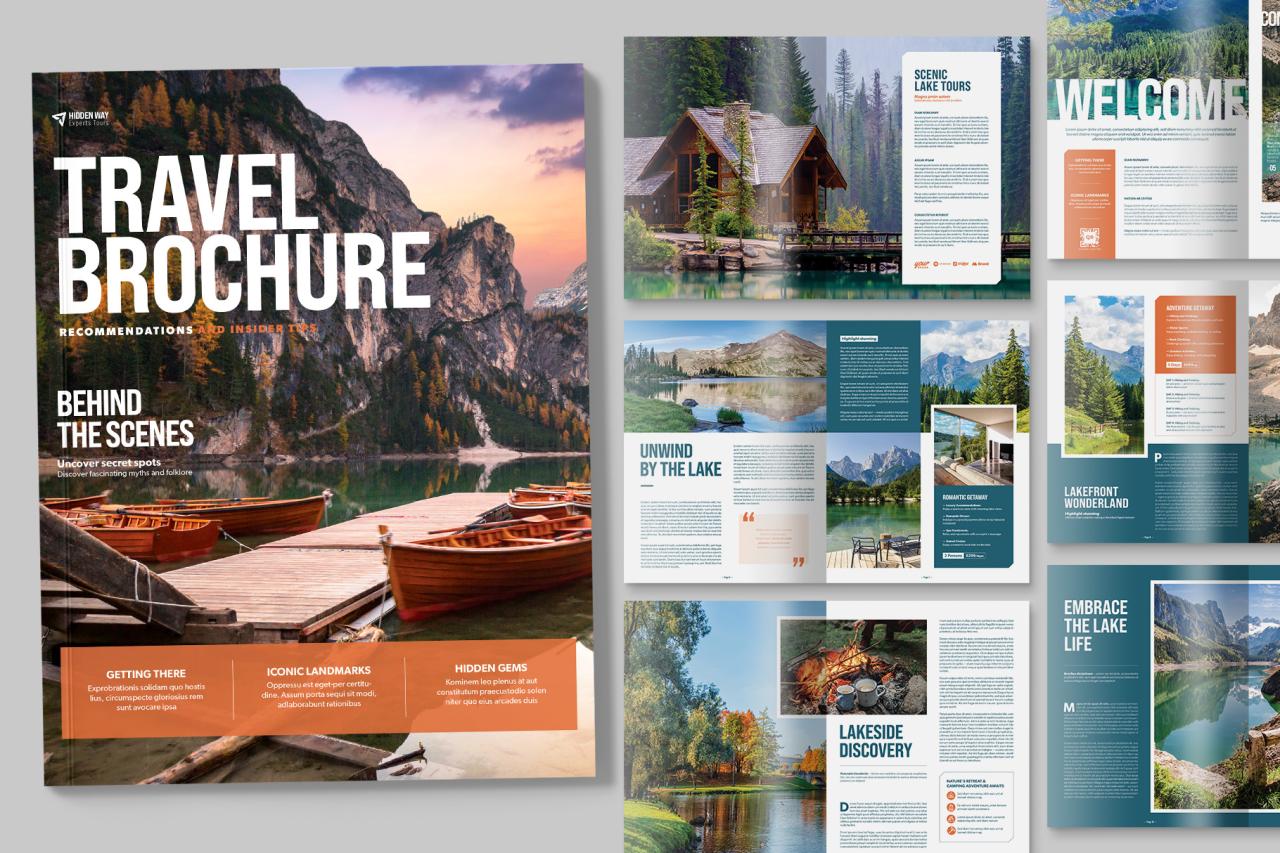
When it comes to vacation planning, travelers have the option of using either digital or paper travel brochures to gather information about their destination. Each type of brochure has its own unique characteristics and features that cater to different preferences and needs.
Digital Travel Brochures
Digital travel brochures are electronic versions of traditional printed brochures that can be accessed online through websites, mobile apps, or email. They often include interactive maps, videos, virtual tours, and links to booking sites, providing a dynamic and engaging experience for users.
- Convenient accessibility from anywhere with an internet connection
- Ability to update information in real-time
- Eco-friendly option that reduces paper waste
- Interactive features enhance user engagement
Paper Travel Brochures
Paper travel brochures are physical, printed materials that are distributed at travel agencies, visitor centers, hotels, and other tourism locations. They typically contain colorful images, detailed descriptions of attractions, and maps to help travelers navigate their destination.
- Tangible format that allows for easy browsing and highlighting
- No need for internet access or electronic devices
- Can serve as a keepsake or souvenir from the trip
- Potential limitations in terms of updating information quickly
Comparison of Advantages and Disadvantages
- Digital Travel Brochures:
- Advantages:
- Convenient access from anywhere
- Interactive elements enhance engagement
- Real-time updates ensure accuracy
- Disadvantages:
- Dependence on internet connection
- Limited offline accessibility
- Advantages:
- Paper Travel Brochures:
- Advantages:
- Tangible format for easy reference
- No reliance on technology or internet
- Potential keepsake value
- Disadvantages:
- Difficulty in updating information promptly
- Environmental impact of paper production
- Advantages:
Accessibility and Portability
When it comes to vacation planning, accessibility and portability are crucial factors to consider. Let's delve into how digital and paper travel brochures impact these aspects.Digital Brochures Enhance Accessibility
Digital brochures offer a wide range of benefits when it comes to accessibility. Travelers can access digital brochures from anywhere with an internet connection, allowing for quick and easy research on destinations, accommodations, and activities. With just a few clicks, travelers can explore detailed information, high-quality images, and interactive maps, making it convenient to plan their itinerary on the go. Additionally, digital brochures can be easily shared with travel companions or saved for future reference, ensuring that all trip details are readily available at their fingertips.Portability Aspect of Paper Brochures
On the other hand, paper brochures provide a tactile and tangible experience that some travelers prefer. Paper brochures do not require an internet connection or electronic device, making them ideal for travelers who prefer a traditional approach to vacation planning. Travelers can easily carry paper brochures in their bags or pockets, allowing for quick reference without the need for batteries or charging. The physical nature of paper brochures also adds a sense of nostalgia and authenticity to the trip planning process, which some travelers find appealing.Comparison of Access Between Digital and Paper Brochures
When traveling, the ease of access between digital and paper brochures varies depending on personal preferences and circumstances. Digital brochures offer instant access to updated information and the ability to search for specific details quickly. However, they rely on internet connectivity and electronic devices, which may not always be available or convenient during travel. On the other hand, paper brochures provide a tangible reference that does not rely on technology, making them reliable in areas with limited connectivity or for travelers who prefer a more tactile experience. Ultimately, the choice between digital and paper brochures comes down to individual preferences and the specific needs of each traveler.Interactivity and Engagement
When it comes to travel brochures, interactivity and engagement play a crucial role in capturing the attention of potential travelers and enhancing their vacation planning experience.Digital Brochures: Interactive Elements
Digital brochures offer a wide range of interactive elements that can significantly enhance the user experience. Features such as clickable links, videos, virtual tours, interactive maps, and social media integration allow users to engage with the content in a more immersive way. For example, travelers can click on links to book accommodations, watch videos of destinations, explore interactive maps to plan their itinerary, and share their travel plans on social media platforms. These interactive elements not only make the information more engaging but also provide users with a more personalized and interactive experience.Paper Brochures: Traditional Engagement
On the other hand, paper brochures engage travelers through more traditional methods. The tactile experience of flipping through pages, feeling the texture of the paper, and viewing vibrant images can evoke a sense of nostalgia and excitement. Travelers can physically hold the brochure, mark pages, and easily pass it around to friends and family. The traditional format of paper brochures can create a sense of anticipation and make the vacation planning process more tangible and memorableImpact of Interactivity on Vacation Planning
The impact of interactivity on vacation planning in digital brochures is significant. By incorporating interactive elements, digital brochures can provide travelers with a more dynamic and personalized experience. Users can actively engage with the content, explore different options, and make informed decisions based on their preferences. The interactive features not only make the planning process more efficient but also allow travelers to visualize their trip more vividly, leading to a more satisfying and well-planned vacation experience.Environmental Impact
When it comes to the environmental impact of travel brochures, both digital and paper versions have their own set of implications. Let's delve deeper into how each type of brochure affects the environment.Digital Brochures
Digital brochures are often touted as the eco-friendly option due to their paperless nature. By opting for digital brochures, we can significantly reduce the demand for paper, which helps in conserving trees and reducing deforestation. Additionally, digital brochures can be easily updated and distributed without the need for printing and shipping, further lowering their environmental footprint.Paper Brochures
On the other hand, paper brochures have sustainability factors to consider. While the production of paper brochures does require the consumption of resources like water and energy, they can be recycled after use. When responsibly sourced and recycled, paper brochures can have a lower impact on the environment compared to digital brochures, which rely on electronic devices that contribute to e-waste.Carbon Footprint Comparison
When comparing the carbon footprint of digital and paper brochures in vacation planning, it's essential to consider the entire lifecycle of each option. While digital brochures save trees and reduce carbon emissions associated with printing and transportation, they do contribute to electronic waste and energy consumption from devices. Paper brochures, on the other hand, have a more tangible carbon footprint from the paper production process but can be recycled and have a lower impact on electronic waste.Overall, the environmental impact of using digital vs. paper travel brochures depends on various factors such as production methods, recycling practices, and end-of-life disposal. Sustainable choices and responsible consumption play a crucial role in mitigating the environmental effects of travel brochure usage.Closure
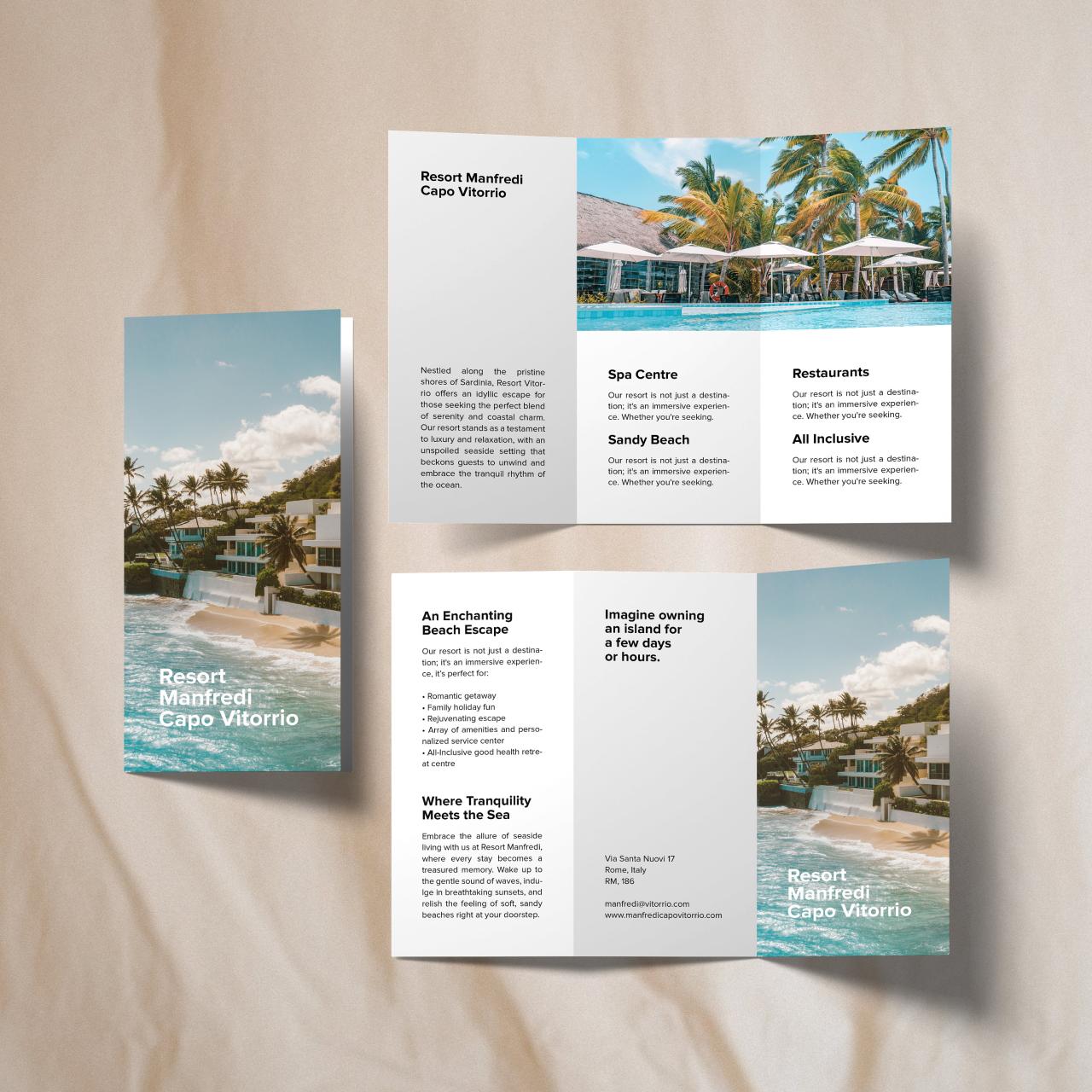
In conclusion, the choice between digital and paper travel brochures ultimately depends on individual preferences and priorities. Whether you value convenience, interactivity, or sustainability, each option has its advantages and drawbacks. So, next time you're planning a vacation, consider which type of brochure aligns best with your needs.
Answers to Common Questions
Which type of brochure is more environmentally friendly?
Digital brochures have a lower carbon footprint compared to paper brochures, making them a more sustainable option.
Are digital brochures more interactive than paper brochures?
Yes, digital brochures often offer interactive elements such as videos, animations, and clickable links, providing a more engaging experience for users.
Are paper brochures easier to carry while traveling?
Paper brochures are more portable and don't require electronic devices or internet connectivity, making them convenient for travelers in areas with limited access.