
Travel Media Careers: How to Become a Professional Destination Storyteller sets the stage for this enthralling narrative, offering readers a glimpse into a story that is rich in detail and brimming with originality from the outset.
The following paragraphs will delve into the key aspects of research skills, storytelling techniques, content creation tools, and building a portfolio in the travel media industry.
Research Skills
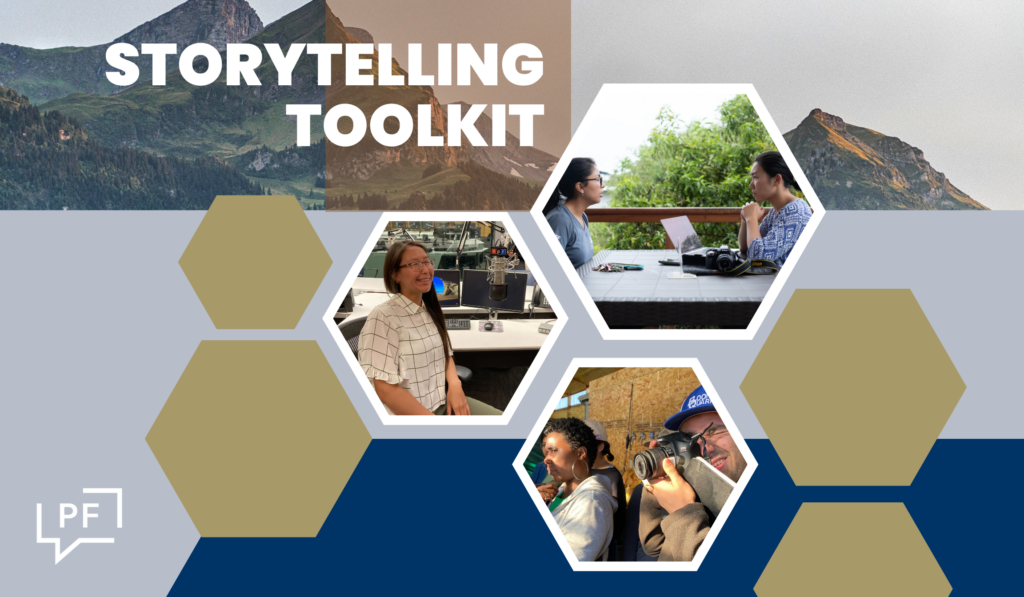 Research skills are essential for becoming a professional destination storyteller as they form the foundation of creating engaging and informative travel media content. Without thorough research, storytellers may miss out on important details, unique insights, and compelling narratives that can captivate their audience.
Sources for Research
- Official tourism websites: These sites provide accurate and up-to-date information about destinations, attractions, events, and more.
- Local guidebooks and travel magazines: These resources offer in-depth knowledge and insider tips on specific locations.
- Interviews with locals and experts: Speaking directly to people who live in or have extensive knowledge of a destination can provide valuable insights and personal stories.
- Social media platforms: Platforms like Instagram, Facebook, and Twitter can offer real-time updates, trends, and visual inspiration for storytelling.
Tips for Effective Research
- Start with a clear objective: Define what you want to communicate in your story and tailor your research towards that goal.
- Diversify your sources: Utilize a variety of sources to get a well-rounded view of the destination and avoid bias or misinformation.
- Fact-check information: Verify the accuracy of data, statistics, and historical facts to ensure the credibility of your content.
- Take notes and organize data: Keep detailed notes, quotes, and references organized to easily access information when crafting your story.
- Immerse yourself in the destination: Go beyond surface-level research and immerse yourself in the culture, history, and environment of the location to add depth to your storytelling.
Storytelling Techniques
Storytelling is a crucial aspect of travel media that can make destination stories come alive for the audience. By incorporating different storytelling techniques, professionals can create engaging and memorable content that resonates with viewers. One of the key elements of effective storytelling in travel media is the ability to evoke emotions and create a connection with the audience.Significance of Emotional Elements
Incorporating emotional elements in destination storytelling can greatly enhance the impact of the content. By tapping into the audience's emotions, storytellers can create a more profound and lasting impression. Whether it's through personal anecdotes, captivating visuals, or heartfelt narratives, emotional storytelling can transport viewers to the destination and make them feel like they are experiencing it firsthand.Examples of Successful Destination Storytelling Campaigns
- Airbnb's "Live There" campaign: This campaign focused on showcasing unique and authentic travel experiences through the eyes of locals. By highlighting the emotional connections and personal stories of the hosts, Airbnb was able to create a sense of belonging and immersion for travelers. - National Geographic's "Wanderlust" series: National Geographic's travel documentaries are known for their stunning visuals, compelling narratives, and deep exploration of different cultures. By combining storytelling with in-depth research and expert storytelling techniques, National Geographic has captivated audiences worldwide.Content Creation Tools
When it comes to creating captivating travel stories, professional destination storytellers rely on a variety of essential tools and software to enhance their content. These tools not only help in crafting visually appealing narratives but also play a crucial role in engaging the audience.
Essential Tools for Travel Media Content Creation
- Professional Cameras: High-quality images and videos are key to capturing the essence of a destination. Professional storytellers often use DSLR or mirrorless cameras to ensure stunning visual content.
- Video Editing Software: Editing software like Adobe Premiere Pro or Final Cut Pro allows storytellers to piece together footage, add effects, and create a polished final product.
- Drone Technology: Drones provide a unique perspective and aerial shots that can add an extra dimension to travel stories. They help in capturing breathtaking views and landscapes.
- Content Management Systems: Platforms like WordPress or Squarespace are popular choices for publishing travel media content. These CMS tools offer flexibility in design and layout.
Platforms for Publishing Travel Media Content
- Social Media: Platforms like Instagram, YouTube, and Facebook are widely used by professional storytellers to reach a larger audience and showcase their travel content.
- Travel Blogs: Creating a personal travel blog allows storytellers to share detailed narratives, photos, and videos with their followers in a more structured format.
- Online Magazines: Contributing to online travel magazines or publications provides an opportunity for exposure and collaboration with other travel writers and photographers.
Tips for Leveraging Technology in Travel Storytelling
- Use Augmented Reality: Integrating AR features in your content can offer immersive experiences for the audience, allowing them to interact with the destination virtually.
- Interactive Maps: Including interactive maps in your stories can help readers visualize the locations mentioned and navigate through the travel itinerary.
- Mobile Apps: Developing a travel app or utilizing existing apps for storytelling purposes can enhance user engagement and provide a unique storytelling format.
Building a Portfolio
 Building a strong portfolio is essential in the travel media industry as it serves as a showcase of your storytelling skills and experiences. A well-curated portfolio not only demonstrates your expertise but also helps you stand out in a competitive field.
Importance of a Strong Portfolio
- Highlights your storytelling abilities: A portfolio allows you to showcase your writing style, photography skills, videography techniques, and overall creativity in capturing and presenting travel stories.
- Establishes credibility: A robust portfolio with a diverse range of projects and collaborations can help build trust with potential clients, employers, or collaborators.
- Attracts opportunities: A compelling portfolio can attract new opportunities such as freelance projects, partnerships, sponsorships, or even full-time positions with travel media companies.
Showcasing Storytelling Skills
- Include a variety of media: Incorporate written articles, photos, videos, podcasts, social media campaigns, and any other forms of content creation to showcase your versatility and storytelling skills.
- Highlight your niche: Focus on a specific niche or theme within travel media, whether it's adventure travel, luxury getaways, cultural experiences, or sustainable tourism, to demonstrate your expertise in that area.
- Create a compelling narrative: Organize your portfolio in a way that tells a story about your journey as a destination storyteller, capturing the attention of potential clients or collaborators.
Networking and Collaboration
- Connect with other professionals: Attend industry events, workshops, and online forums to network with fellow travel media professionals, exchange ideas, and potentially collaborate on projects to expand your portfolio.
- Seek mentorship: Engage with experienced storytellers or mentors in the field who can provide guidance, feedback, and opportunities for growth in your career.
- Collaborate on projects: Partner with other professionals such as photographers, videographers, graphic designers, or travel writers to create multidimensional projects that showcase your collaborative skills and enhance your portfolio.
Epilogue
In conclusion, mastering the art of becoming a professional destination storyteller requires a blend of research, storytelling, technology, and networking skills. By honing these abilities, individuals can craft compelling narratives that captivate audiences and leave a lasting impact in the travel media landscape.
Questions and Answers
What are some examples of sources professional destination storytellers use for research?
Professional destination storytellers often rely on travel guides, official websites of destinations, interviews with locals, and travel blogs for gathering information.
How can technology be leveraged for creating engaging travel stories?
Technology can be used for creating multimedia content such as videos, interactive maps, and virtual tours to enhance the storytelling experience and engage audiences on a deeper level.
Why is building a strong portfolio important in the travel media industry?
A strong portfolio showcases a storyteller's skills, expertise, and creativity, helping them stand out to potential employers, clients, or collaborators in the competitive travel media field.