
Exploring the world of travel media professionals and their quest to capture the perfect shot, this introduction sets the stage for a fascinating journey into the behind-the-scenes magic of travel photography.
Detailing the essential aspects of the role, preparation, techniques, challenges, and post-production process, this discussion offers a comprehensive look at the intricacies of the travel media industry.
Introduction to Travel Media Professionals
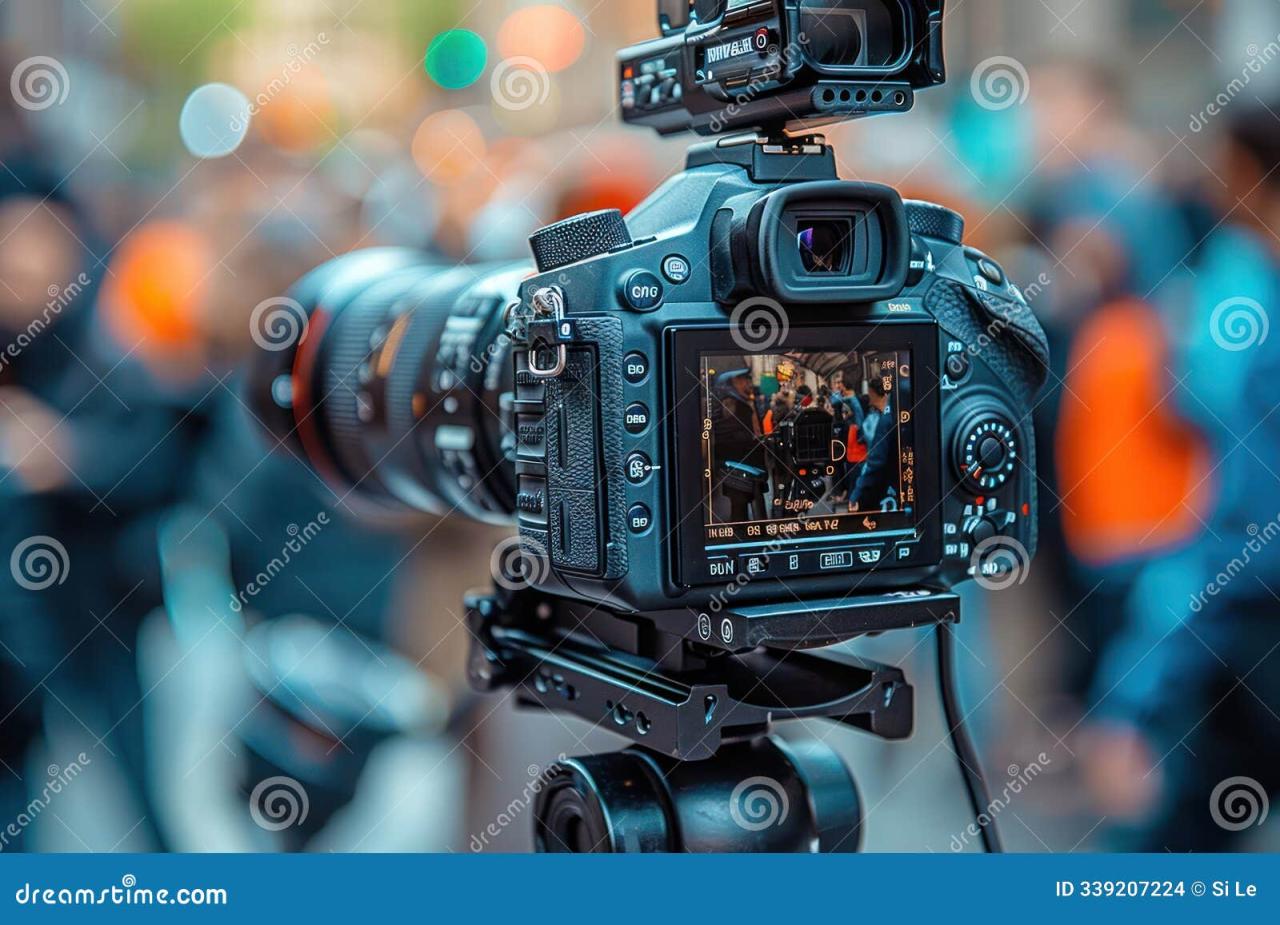 Travel media professionals play a crucial role in capturing stunning travel shots that inspire wanderlust and showcase the beauty of different destinations. Their work goes beyond just taking photos; it involves telling a story through visuals and creating a connection with the audience.The importance of the perfect shot in travel media cannot be overstated. A captivating image has the power to transport viewers to another place, evoke emotions, and inspire them to explore new destinations. It serves as a visual invitation for travelers to experience the world through the eyes of the photographer.
Skills Required by Professionals
Travel media professionals need a unique set of skills to capture compelling images that stand out in a saturated market. Here are some key skills required for success in this field:- Photography skills: Proficiency in composition, lighting, and framing is essential for creating visually appealing images that grab the viewer's attention.
- Storytelling ability: Travel shots should not only look beautiful but also convey a narrative or evoke a sense of place. Professionals must be able to tell stories through their photos.
- Adaptability: Travel photographers often face unpredictable situations and changing environments. The ability to adapt quickly and make the most of any situation is crucial.
- Technical expertise: Knowledge of camera equipment, editing software, and post-processing techniques is necessary to enhance and refine images for maximum impact.
- Creativity: Thinking outside the box and approaching subjects from unique perspectives can help travel media professionals create images that stand out and leave a lasting impression.
Behind the Scenes: Planning the Perfect Shot
When it comes to capturing the perfect travel shot, travel media professionals go through a meticulous preparation process to ensure everything is in place for that ideal moment. This involves careful planning, selecting the right equipment, and choosing the perfect location.Preparation Process Before Capturing a Travel Shot
Before setting out to capture a travel shot, professionals often research the location extensively to understand the best angles, lighting conditions, and potential obstacles. They may also create a shot list to ensure they capture all the necessary images. Additionally, they consider factors such as weather conditions, time of day, and the overall mood they want to convey in the shot.Equipment and Tools Used by Travel Media Professionals
Travel media professionals commonly use high-quality cameras, lenses, tripods, and drones to capture stunning travel shots. They also utilize accessories like filters, reflectors, and lighting equipment to enhance their images. Post-processing software such as Adobe Lightroom and Photoshop are often used to edit and enhance the final photos.Choosing Locations for Shots
Professionals often scout locations in advance to find the perfect backdrop for their shots. They look for unique landscapes, iconic landmarks, and hidden gems that will make their photos stand out. Factors such as lighting, composition, and overall aesthetic appeal play a crucial role in selecting the right location for a travel shot.Techniques for Capturing the Perfect Shot
When it comes to capturing the perfect shot, travel media professionals rely on a variety of photography techniques to create compelling images that transport viewers to different destinations.
Lighting in Photography
Lighting is a critical element in photography, especially when capturing travel images. The way light interacts with the subject can dramatically affect the mood and overall quality of the shot. Travel media professionals often pay close attention to natural lighting conditions, such as the golden hour around sunrise and sunset, to enhance their photos with warm, soft light that adds depth and dimension to the scene.
Composition and Framing
Another essential aspect of capturing the perfect shot is composition and framing. Travel media professionals carefully consider the placement of elements within the frame to create visually appealing images. They use techniques like the rule of thirds, leading lines, and framing to draw the viewer's eye to the main subject and create a sense of balance and harmony in the photograph.
Challenges Faced by Travel Media Professionals
Travel media professionals encounter various challenges when capturing the perfect shot during their assignments. These challenges can range from environmental factors to unexpected obstacles that may arise on location.Weather Conditions Impact
Weather conditions play a significant role in determining the outcome of a travel shot. Factors such as harsh sunlight, rain, wind, or extreme temperatures can affect the lighting, composition, and overall aesthetics of the shot. Travel media professionals must adapt to these conditions and make necessary adjustments to ensure they still capture high-quality images or footage.- Harsh sunlight can create harsh shadows and overexposed areas in the shot. Professionals may need to use diffusers, reflectors, or shoot during the golden hour to achieve the desired lighting.
- Rain and wind can pose a risk to equipment and affect the stability of the shot. Protective gear like rain covers and stabilizers are essential in such conditions.
- Extreme temperatures can impact the performance of cameras and drones. Professionals should be prepared with extra batteries and keep their equipment insulated in extreme cold or heat.
Dealing with Unexpected Obstacles
While on location, travel media professionals may encounter unexpected obstacles that can hinder their ability to capture the perfect shot. It could be anything from crowded tourist locations to technical malfunctions with equipment. Professionals need to stay calm, think quickly, and adapt to the situation to overcome these obstacles effectively.- Having a backup plan is crucial in case of equipment failure. Travel media professionals should always carry spare batteries, memory cards, and essential tools for quick fixes.
- When facing crowded tourist spots, professionals can try different angles, perspectives, or visit during off-peak hours to minimize distractions in their shots.
- Building good relationships with locals or tour guides can also help in navigating unexpected obstacles and gaining access to unique vantage points for capturing shots.
Post-Production and Editing
After capturing the perfect shot, travel media professionals move on to the post-production process where they enhance and refine their images to make them visually appealing and captivating for their audience.
Post-Production Process
- Travel media professionals start by importing their raw images into editing software like Adobe Lightroom or Photoshop.
- They adjust the exposure, contrast, color balance, and sharpness to bring out the best in their photos.
- Professionals may also crop or straighten the image, remove any distractions, and apply filters to achieve a desired look.
Role of Editing Software
- Editing software plays a crucial role in enhancing travel images by providing a wide range of tools and options for fine-tuning every aspect of the photo.
- Professionals can use features like layers, masks, and presets to create unique effects and styles in their images.
- These tools help in correcting imperfections, adding drama, and creating a cohesive visual story in the final image.
Maintaining Authenticity
- While editing their shots, travel media professionals strive to maintain authenticity by ensuring that the final image represents the true essence of the scene they captured.
- They avoid over-editing or altering the image to the point where it no longer reflects the reality of the location or moment.
- Professionals aim to enhance the natural beauty and atmosphere of the shot while preserving the integrity and honesty of the original scene.
Last Recap
As we conclude our exploration of how travel media professionals work their magic behind the lens, we are left with a newfound appreciation for the artistry and dedication that goes into capturing the perfect shot.
Detailed FAQs
What are some common challenges faced by travel media professionals?
Travel media professionals often encounter unpredictable weather conditions, logistical hurdles, and unexpected obstacles while on location, which can impact the outcome of their shots.
How do professionals maintain authenticity in their edited travel images?
Professionals prioritize enhancing the visual appeal of their shots through editing while ensuring that the essence and authenticity of the original scene are preserved.