
Delving into The Evolution of Travel Media: How Digital Trends are Shaping Our Vacations, readers are invited into a realm where traditional methods meet modern advancements, creating a rich tapestry of travel experiences. This exploration promises a deep dive into the transformative impact of digital trends on our vacation planning and execution.
The following paragraphs will unveil the intricate details of this evolution, shedding light on key factors, social media influence, personalization in content, and the exciting world of virtual and augmented reality in travel.
Overview of Travel Media Evolution
 Travel media evolution refers to the process through which the methods and platforms used to showcase and promote travel destinations have transformed over time. This evolution has been greatly influenced by various factors and has been significantly shaped by digital trends in recent years.
Key Factors Influencing the Evolution of Travel Media
- The rise of social media platforms like Instagram, Facebook, and YouTube has allowed travelers to share their experiences instantly and reach a broader audience.
- Changing consumer preferences towards more personalized and authentic travel experiences have led to a shift in how destinations are marketed and portrayed in media.
- Advancements in technology, such as virtual reality and augmented reality, have enabled travelers to preview destinations and accommodations before booking, influencing their decision-making process.
How Digital Trends Have Revolutionized the Travel Media Landscape
- Online travel agencies and booking platforms have made it easier for travelers to plan and book their trips, streamlining the entire travel experience.
- Content creation by influencers and travel bloggers has become a powerful tool in shaping travel trends and influencing consumer behavior, creating new opportunities for destination marketing.
- The use of data analytics and artificial intelligence has allowed travel companies to tailor their marketing strategies to individual preferences, providing more personalized recommendations to travelers.
Traditional Travel Media vs. Digital Travel Media
Traditional travel media and digital travel media have distinct characteristics that set them apart in how they influence our vacation experiences.When comparing traditional travel media with digital travel media, it's essential to highlight the evolution and impact each has had on the way we plan and experience our travels. Traditional travel media encompasses platforms like travel magazines, brochures, TV shows, and travel agencies, while digital travel media includes websites, social media platforms, travel apps, and online booking platforms.Examples of Traditional Travel Media Platforms
- Travel magazines such as National Geographic Traveler or Conde Nast Traveler
- Travel brochures distributed by tourism boards or travel agencies
- TV shows like Anthony Bourdain's "Parts Unknown" or Rick Steves' Europe
- Travel agencies offering personalized vacation packages
Advantages and Disadvantages of Digital Travel Media
- Advantages:
- Instant access to a vast amount of travel information and reviews
- Ability to book flights, accommodations, and activities online
- Interactive maps and virtual tours for destination exploration
- Real-time updates on travel alerts and weather conditions
- Disadvantages:
- Overwhelm of options can lead to decision fatigue
- Risk of encountering fake reviews or misleading information
- Lack of personalized recommendations compared to traditional travel agents
- Dependency on technology and potential connectivity issues while traveling
Impact of Social Media on Travel Content
Social media has revolutionized the way we consume travel content, influencing our vacation decisions like never before. Platforms like Instagram, Facebook, and Twitter have become powerful tools in shaping the way we perceive and plan our trips.Role of Social Media in Shaping Travel Content
- Social media platforms provide a visual medium for travelers to showcase their experiences through photos and videos, giving a more authentic and real-time view of destinations.
- Travel brands and influencers leverage social media to promote destinations, accommodations, and experiences, creating a curated feed of aspirational travel content.
- Real-time updates, travel tips, and reviews shared by fellow travelers on social media platforms help in making informed travel decisions.
Influencers Changing the Way Travel is Portrayed Online
- Influencers with large followings have the ability to shape travel trends and influence where people choose to travel based on their recommendations.
- Influencers often collaborate with travel brands and destinations to create sponsored content, blurring the lines between advertising and authentic travel experiences.
- The rise of micro-influencers has brought a more relatable and niche perspective to travel content, appealing to a more targeted audience.
Influence of User-Generated Content on Travel Decisions
- User-generated content, such as reviews, recommendations, and travel stories shared by everyday travelers, play a significant role in influencing travel decisions.
- Travelers rely on user-generated content to get a sense of the authenticity and quality of a destination or experience before making their travel plans.
- Platforms like TripAdvisor, Yelp, and travel blogs have become go-to sources for user-generated travel content, offering valuable insights and perspectives from a diverse range of travelers.
Personalization and Customization in Travel Media
Personalization plays a crucial role in travel content as it allows individuals to tailor their experiences according to their preferences and interests. By offering personalized recommendations and suggestions, travel media can enhance the overall trip planning process and create more meaningful and enjoyable vacations for travelersImportance of Personalization in Travel Content
- Personalized travel content helps travelers discover new destinations and experiences that align with their interests and travel style.
- It enables travelers to create unique itineraries based on their preferences, budget, and travel goals.
- Personalization enhances the overall travel experience by providing relevant and timely information, such as local recommendations, activities, and accommodations.
Examples of Personalized Travel Experiences through Digital Media
- Personalized travel apps that recommend activities and attractions based on the user's location and past travel history.
- Customized travel websites that curate travel packages and itineraries tailored to the traveler's interests and budget.
- Personalized email newsletters that provide exclusive travel deals and promotions based on the traveler's previous booking history.
Evolution of Customization Options in Travel Media
- Traditional travel agencies offered limited customization options, such as choosing from pre-packaged tours and accommodations.
- Digital travel platforms now provide extensive customization features, allowing travelers to select specific flights, accommodations, activities, and dining options according to their preferences.
- The rise of AI and machine learning technology has further enhanced customization in travel media, enabling personalized recommendations and real-time updates based on user behavior and feedback.
Virtual Reality and Augmented Reality in Travel
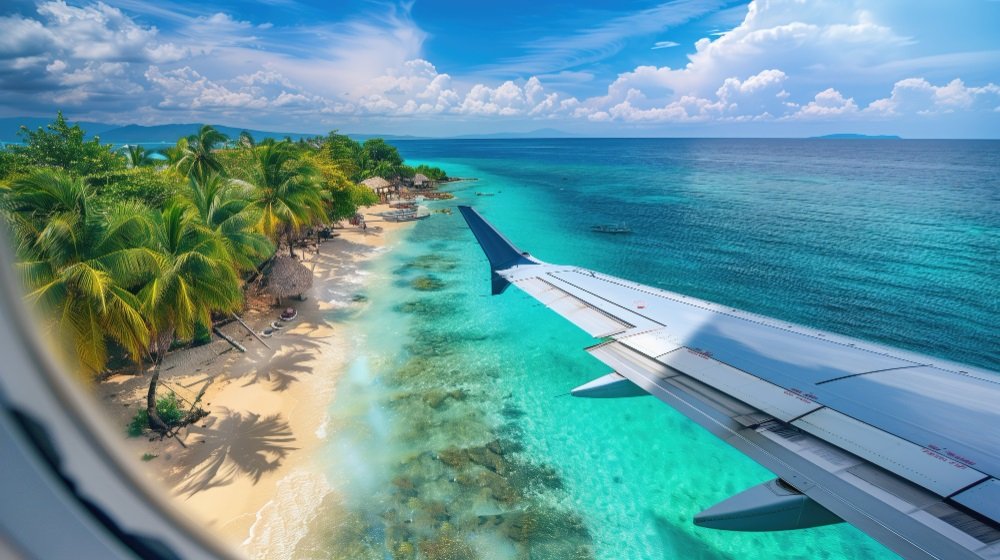 Virtual Reality (VR) and Augmented Reality (AR) are revolutionizing the travel industry by providing immersive experiences for travelers. These technologies allow users to explore destinations, hotels, attractions, and activities virtually, offering a glimpse into what their future vacation could look like.
 Enhancing Travel Planning Experience
- Virtual Tours: VR enables travelers to take virtual tours of hotels, resorts, and destinations, giving them a better sense of the place before booking.
- Interactive Maps: AR allows travelers to overlay information about points of interest, restaurants, and transportation options onto the real world through their mobile devices.
- Immersive Experiences: VR and AR technologies offer interactive experiences that help travelers make informed decisions about their trips, such as trying out different activities virtually.
Future Potential of VR and AR in Travel Media
- Personalized Recommendations: VR and AR can provide personalized recommendations based on user preferences and past travel experiences, enhancing the overall trip planning process.
- Virtual Travel Experiences: As VR technology advances, travelers may be able to virtually visit destinations, attend events, and interact with locals without leaving their homes, opening up a new world of possibilities for travel enthusiasts.
- Enhanced Booking Process: Integrating VR and AR into booking platforms can streamline the reservation process, allowing travelers to visualize their accommodations and activities before confirming their bookings.
Last Point
As we draw the curtains on this discussion, it's evident that the landscape of travel media has undergone a remarkable shift, courtesy of digital innovations. The fusion of technology and wanderlust has opened up a new realm of possibilities, promising a future where our vacations are not just destinations but immersive experiences waiting to be explored.
FAQ
What are some key factors influencing the evolution of travel media?
Some key factors include advancements in technology, changing consumer preferences, and the rise of social media platforms as influential tools in shaping travel content.
How has social media influenced the way travel is portrayed online?
Social media has revolutionized travel portrayal by giving rise to influencers who share authentic experiences, shaping the narrative and inspiring wanderlust among their followers.
Why is personalization important in travel content?
Personalization enhances the travel experience by catering to individual preferences, creating a more tailored and engaging journey for travelers.
What role do virtual reality and augmented reality play in the travel industry?
VR and AR technologies offer immersive experiences, allowing travelers to preview destinations, accommodations, and activities, enhancing the planning process and providing a glimpse into their upcoming adventures.